What is TPS?
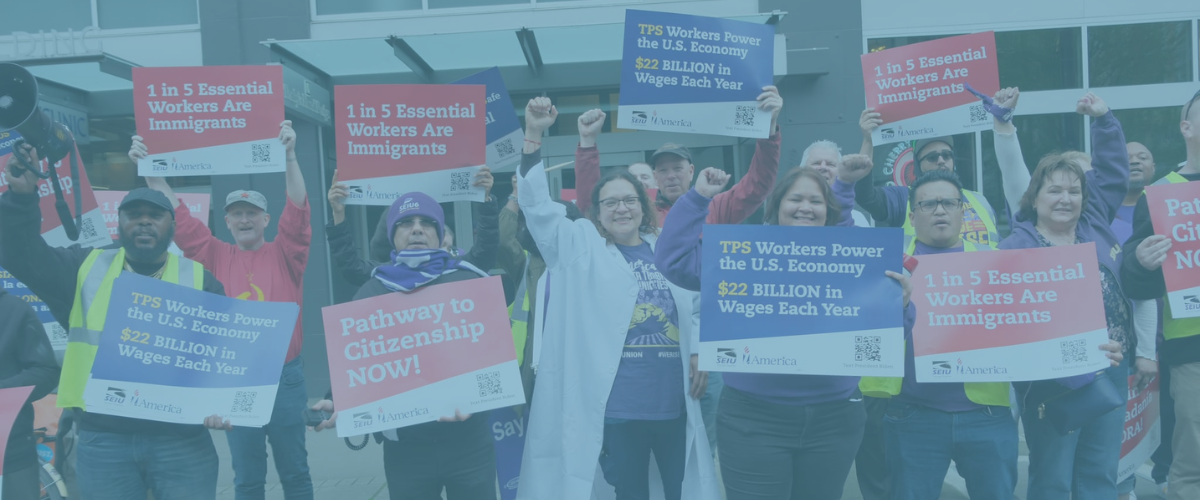
TPS, or Temporary Protected Status, allows people from certain countries to live and work in the United States during a humanitarian crisis in their home countries. See the Top 10 Questions About TPS.
The Trump administration has moved to terminate TPS for many countries. Check the status of your TPS.
IMPORTANT UPDATE! On September 9, 2026, USCIS announced Salvadoran TPS holders will retain TPS and work authorization for now. Learn more.
Click on your country below for more information and updates on developments and legal challenges:
- Afghanistan: ended
- Cameroon: ended
- El Salvador: valid per USCIS
- Ethiopia: valid per court order
- Haiti: ended
- Honduras: ended
- Lebanon: valid through 11/27/26
- Myanmar (Burma): valid per court order
- Nepal: ended
- Nicaragua: ended
- Somalia: valid per court order
- South Sudan: valid per court order
- Sudan: valid through 10/19/26
- Syria: ending soon
- Ukraine: valid through 10/19/26
- Venezuela: ended, with exceptions
- Yemen: valid per court order
Additional resources and immigration options for people with TPS
Do you qualify to stay in the U.S.? You may be eligible for other immigration benefits that will allow you to stay in the U.S. Find the path that’s right for you by answering a few simple questions.
Make a Plan: Having a family safety plan is a good idea under any circumstance. In case of an unfortunate event where a loved one is detained or deported, you can protect your family by having a plan. This tool can help you prepare your family, manage your property and make arrangements for your debts. It’s always better to have a plan and not use it than to be unprepared.
-
QUICK LINKS
- What is TPS
- Countries with TPS
- Additional Resources